

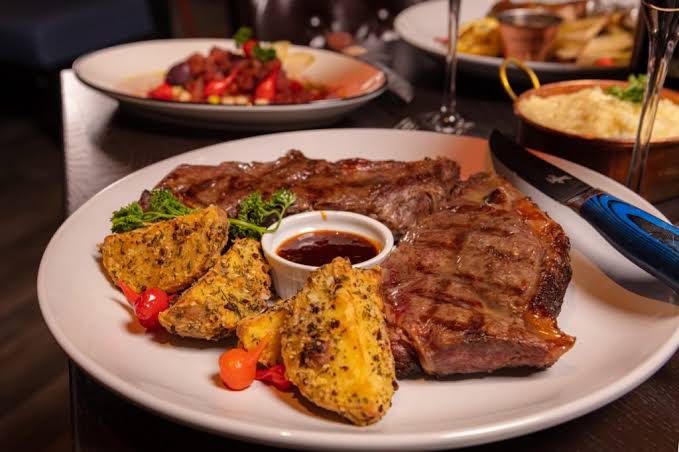
A good steakhouse earns repeat visits through details guests notice before the first bite. Proper cooking, thoughtful service, comfortable timing, and consistent sides build confidence on any occasion. Loyalty grows when a birthday dinner, a business lunch, and a spontaneous Saturday booking receive the same care without feeling identical. Each meal gives the restaurant another chance to prove its standards, starting with decisions made long before the food reaches the table.
Guests judge a steakhouse by more than the cut on the plate. They notice whether staff explain cooking preferences clearly and whether meals arrive at a sensible pace. Choosing a local steak restaurant in Perth becomes part of that choice when diners trust the kitchen to respect temperature requests and present each course with care. That trust gives people a reason to return.
Consistency Starts In the Kitchen
Loyalty begins with repeatable preparation. A steak should arrive at the requested doneness, with a rested centre and a clean sear. Kitchen teams control portion sizes, seasoning, cooking time, and resting time. Consistency means each plate meets a clear standard.
That discipline protects the rest of the meal. Chips need a crisp exterior, vegetables need proper texture, and sauces need enough seasoning to support the meat. Guests remember a complete dinner when side dishes receive equal attention. This also gives the kitchen staff fewer headaches.
Service Turns Standards Into Trust
Good service is precise without becoming intrusive. Staff should greet guests promptly, confirm their cooking preferences, explain delays honestly, and check the table after the first round of drinks and appetisers. Clear communication reduces uncertainty, especially during group meals with different cuts and side dishes.
Timing matters as much as tone. A rushed meal feels hurried, while long gaps interrupt conversation. Experienced teams read the table and adjust without following a rigid script. Good service lets guests focus on their food and company.
The Room Shapes Return Decisions
Dining room choices influence loyalty before food arrives. Comfortable spacing helps conversations continue without forcing people to raise their voices. Clean tables, steady lighting, and appropriate music support the purpose of each visit. Business meals need easy conversation, while celebrations need room to settle in.
Cleanliness matters. Guests notice polished glassware, clean cutlery, and promptly cleared tables. Small lapses, like sticky menus or clutter near a seat, undermine confidence in the kitchen and service.
Loyalty Grows Through Useful Familiarity
Returning guests value recognition when it feels accurate, not rehearsed. Remembering a preferred table or usual cooking choice saves time and shows attention. Staff should apply preferences only when relevant. Familiarity works when it supports the occasion.
Menus shift, seasons alter appetites, and guests return with new expectations. A brief question keeps service accurate while giving diners control. Recognition feels useful rather than performative.
Every Occasion Should Earn the Next Visit
A steakhouse builds loyalty by treating ordinary visits with the same care as planned events. A weekend dinner may need a quick table turn, while an anniversary requires patience and privacy. Service should adapt without lowering standards for food or cleanliness.
Recovery matters when a meal falls short. A prompt apology and practical solution protect the relationship better than silence. Staff should listen without arguing, then resolve the immediate issue. Managers can review the cause later so the same error doesn’t reach another table.
Value is Measured Beyond the Bill
Guests assess value through portion size, cooking accuracy, service, and room comfort. They also notice whether the meal suits the price without relying on inflated claims. A fair experience gives diners confidence to return, even when they choose a simpler cut or visit on a quieter night.
Clear menus help guests choose confidently by describing cuts, sides, and prices without confusion. Accurate bills prevent an enjoyable meal from ending with doubt. When the final interaction matches the care shown earlier, guests remember the whole visit fondly.
Conclusion
Guests return when a steakhouse makes quality predictable without making every occasion feel the same. The practical test is simple: can the kitchen repeat its standards, can staff read the table, and can the room support the meal? Diners can assess those details during their next booking. Choosing a venue that handles food, timing, service, and recovery with equal care turns one satisfying dinner into a dependable local habit worth repeating for different occasions again.