

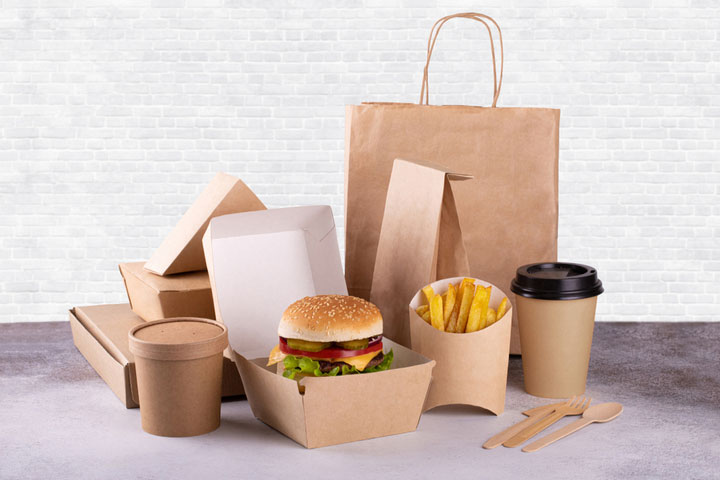
The food and beverage industry is changing rapidly as businesses and consumers become more conscious of packaging waste and environmental impact. Traditional plastic packaging remains widely used, but brands are increasingly exploring recyclable, compostable, reusable, and plant-based alternatives. Eco-friendly food packaging is no longer simply a sustainability initiative; it is becoming an important part of product development, branding, and customer expectations. From innovative materials to reusable containers, several trends are shaping how food and beverages are packaged, transported, and served.
1. Compostable Packaging
Compostable packaging is gaining attention as an alternative to conventional plastic. These materials are designed to break down under suitable composting conditions and can be made from plant-based sources such as corn starch, sugarcane, and other renewable materials. Food businesses are using compostable takeaway containers, cups, plates, and food wraps to reduce reliance on traditional plastics. However, businesses should ensure that customers have access to appropriate composting facilities for these materials to provide their intended environmental benefits.
2. Plant-Based Packaging Materials
Plant-based materials are becoming increasingly popular in food and beverage packaging. Materials made from bamboo, bagasse, paper, and other renewable resources can provide alternatives to petroleum-based plastics. Sugarcane bagasse, for example, is a by-product of sugar production that can be transformed into food containers and trays. These materials allow businesses to explore packaging options that use renewable resources while maintaining functionality and attractive presentation.
3. Recyclable Paper and Cardboard
Paper and cardboard packaging continue to evolve with improved designs and protective coatings. Many restaurants, cafés, bakeries, and food manufacturers use recyclable paper bags, boxes, cartons, and sleeves for different products. Lightweight cardboard packaging can also help reduce material usage and transportation weight. Brands are increasingly choosing simple paper-based designs that communicate their environmental goals while maintaining practical protection for food products.
4. Reusable Food Containers
Reusable packaging is another growing trend, particularly for takeaway meals, beverages, and delivery services. Instead of using a container once and discarding it, customers can return or reuse packaging through deposit or return programs. Some cafés and restaurants encourage customers to bring their own cups and containers. Reusable systems can reduce single-use packaging waste when they are supported by convenient collection, cleaning, and redistribution processes.
5. Minimalist Packaging Designs
Using less packaging is one of the simplest approaches to reducing waste. Food brands are increasingly removing unnecessary layers, oversized boxes, and excessive plastic components from their products. Minimalist packaging focuses on using only the materials necessary to protect and present the food. This approach can also reduce storage and transportation requirements while giving products a clean and modern appearance.
6. Edible Packaging
Edible packaging is an innovative concept attracting interest across the food and beverage sector. Some companies are experimenting with edible films, wrappers, and coatings made from ingredients such as seaweed, starches, and other food-safe materials. These solutions can potentially reduce packaging waste because the packaging itself can be consumed. Although edible packaging is still developing and faces practical challenges, it demonstrates how food packaging could become more integrated with the product itself.
7. Recycled Materials
Using recycled content in packaging helps support the circular use of materials. Recycled paper, cardboard, glass, and certain plastics can be incorporated into food packaging where safety and regulatory requirements allow. By using recycled materials, businesses can reduce their dependence on virgin resources and encourage stronger recycling markets. Clear labeling can also help consumers understand how to properly dispose of or recycle packaging after use.
8. Smart and Sustainable Packaging
Technology is also influencing sustainable food packaging. Smart packaging can include features such as freshness indicators, QR codes, and improved tracking systems. These technologies can help businesses provide product information while potentially reducing food waste by giving consumers better information about freshness and handling. Combining smart technology with recyclable or lower-impact materials could make future packaging more functional and resource-efficient.
Conclusion
Eco-friendly food packaging is becoming an important consideration for businesses throughout the food and beverage industry. Compostable materials, plant-based alternatives, recyclable paper, reusable containers, minimalist designs, edible packaging, recycled content, and smart technologies are all contributing to this transformation. While no single packaging solution works for every product, businesses can evaluate factors such as product protection, recyclability, local waste infrastructure, cost, and customer expectations when choosing packaging. As innovation continues, sustainable packaging is likely to play an increasingly important role in the future of food and beverage businesses.